+91-9355000192
 Login
Login
3 Key Reasons Why WhatsApp Is the Next Big E-Commerce Channel

- Reimagining WhatsApp Usage Patterns
- The Impact of Covid-19 on WhatsApp Commerce
- Features That Power Interactive Business Messaging
- Conclusion: WhatsApp Commerce Will Keep Growing
See the power of intelligent conversations for your brand.

Messenger platforms are a hot topic today. They are easy and intuitive to use. Speaking with family and friends has become simple, thanks to omnichannel communication that includes text, images, and more. Lately, more customers are choosing messaging as their preferred way to interact with brands. It lets them reach out to businesses on their own terms. Using these platforms to offer a smooth shopping experience has gained a lot of traction recently.
But which platform is best suited for this? WhatsApp is the clear winner, with over two billion people across 180 countries using it for everyday messaging.
There are several reasons, but this blog focuses on three of the most important ones.
Reimagining WhatsApp Usage Patterns
WhatsApp’s ease of use is one of the biggest reasons brands are turning to it for e-commerce. On average, a person checks WhatsApp more than 23 times a day, making it one of the most effective touchpoints a business can have. Promotional messages, product updates, and notifications sent over WhatsApp tend to get high read rates, and brands are using this to improve lead generation and conversion.
The two-way nature of WhatsApp also allows for richer interaction. Customers can share their preferences directly, which helps brands respond to them and improve customer satisfaction over time.
Businesses and retailers are working on ways to offer a complete shopping experience over WhatsApp, from sharing product and service details to running offers and promotions. Previously, brands could only share information about one product per message, which was a limitation for stores with large inventories. Sending details about multiple products meant sending multiple messages. WhatsApp commerce has addressed this with interactive catalogs, so stores can now share several products in a single message.
The Impact of Covid-19 on WhatsApp Commerce
Since the start of the Covid-19 pandemic, demand for online shopping has grown quickly. Consumer habits around how people interact with brands have also shifted. Since consumers now interact with many different brands, it isn’t practical to expect them to download a separate app for each one. Instead, letting people connect with brands over a messaging platform they already use makes far more sense, and WhatsApp is a natural fit for this.
WhatsApp usage grew by 40% during the peak of the pandemic, which caught the attention of brands looking at it as a business messaging channel. Used well, WhatsApp’s features can help businesses build a strong customer engagement strategy.
Features That Power Interactive Business Messaging
WhatsApp has also rolled out features built specifically for interactive business messaging, making it easier for brands to sell directly within a chat.
Single Product Messages
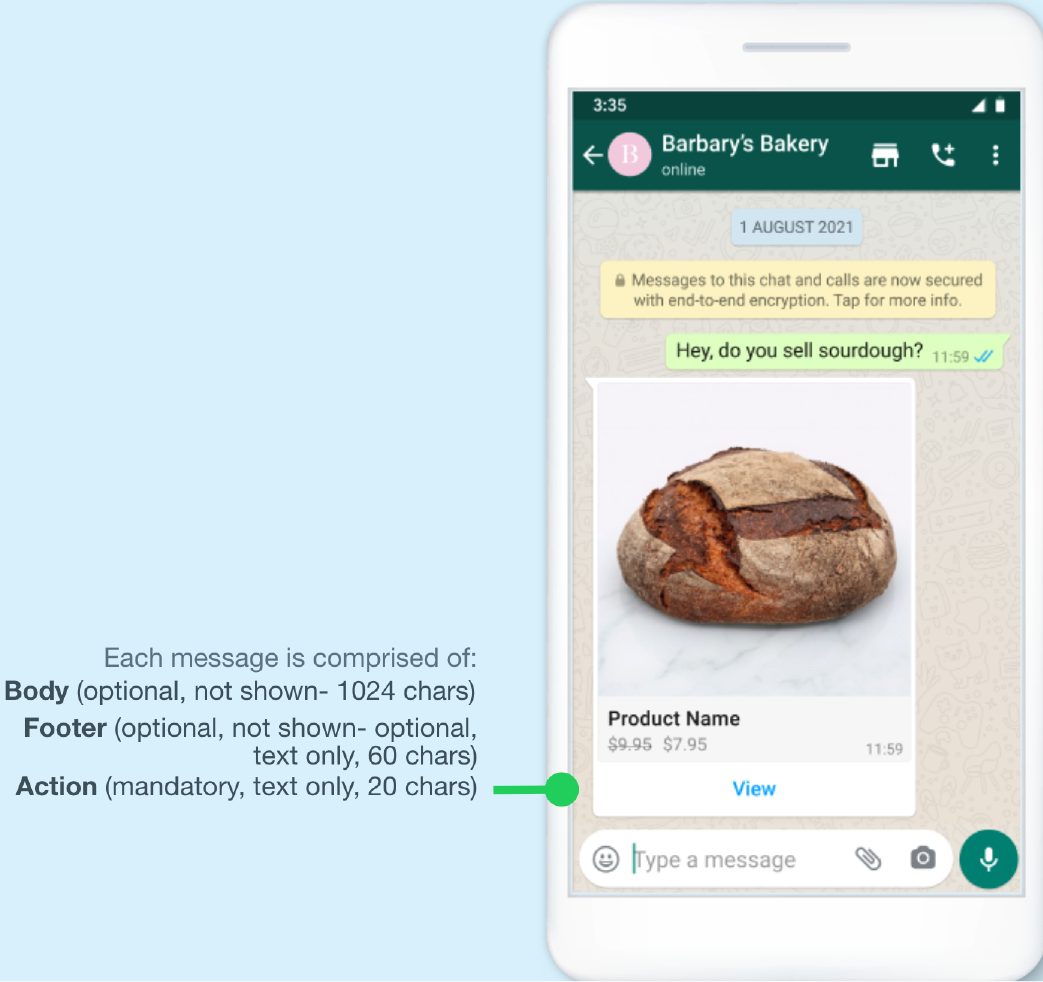
These messages share details about a single product from a store’s inventory.
Multi-Product Messages
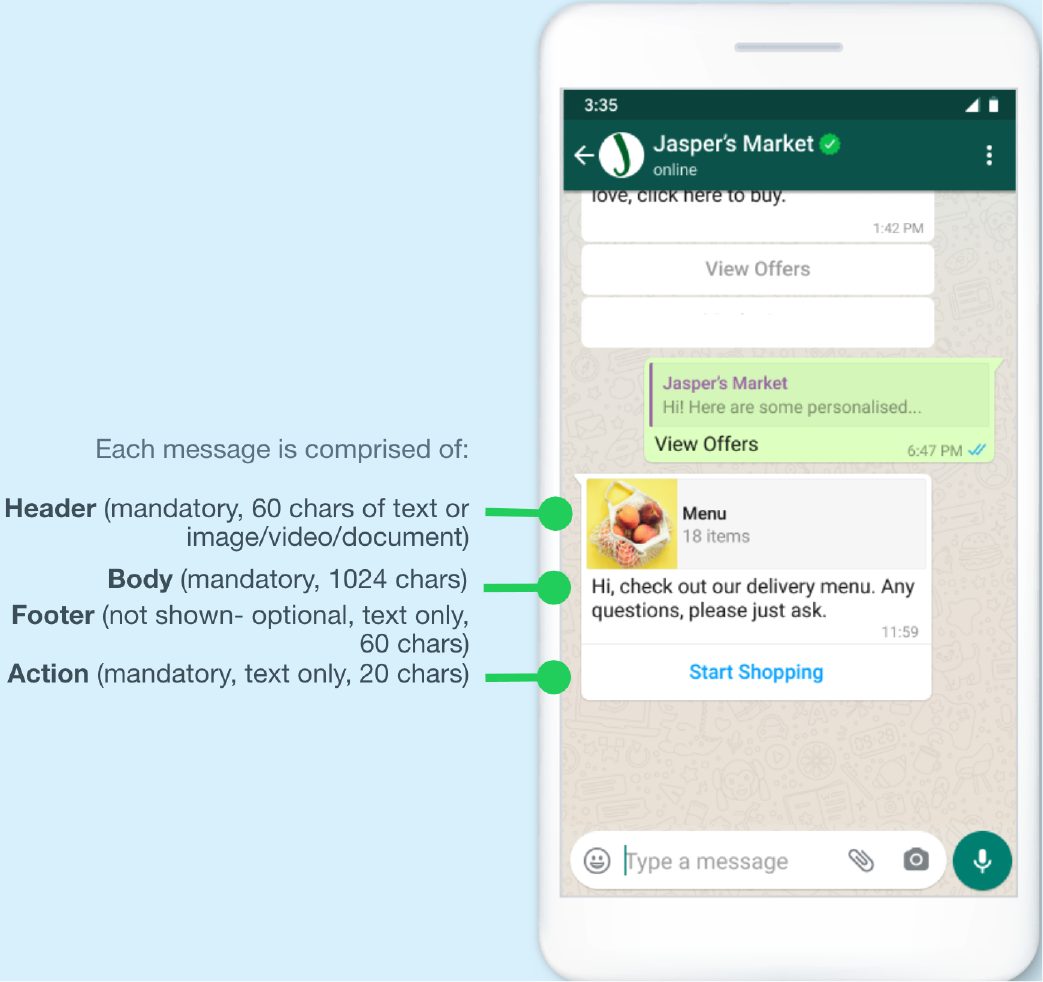
These messages share information about several products from the inventory at once.
Add to Cart
Once a customer picks their products, they can add them to a shopping cart without leaving the chat, then send the cart to the business.
Payments
Customers can pay directly within WhatsApp, either through a third-party payment option or with UPI-based smart messaging that supports one-click bill pay once an invoice is generated for the cart.
Conclusion: WhatsApp Commerce Will Keep Growing
Messaging platforms are here to stay, especially ones like WhatsApp with such a large global user base. Given how comfortable consumers of every age group already are with WhatsApp, it makes sense for businesses to build a presence there and connect with customers directly.
To learn more about Gupshup’s offering for WhatsApp Commerce, read on.
Gupshup’s conversational commerce offering for WhatsApp can help you build a modern storefront for your brand. Are you ready?

Lead Content Marketer - Dotgo