+91-9355000192
 Login
Login
Boost your business growth with WhatsApp Quality Based Messaging
- What Is WhatsApp Quality Based Messaging?
- Why Should You Choose WhatsApp Quality Based Messaging?
- What WhatsApp Quality Based Messaging Can Do for You
- What You Must Not Do With QBM
See the power of intelligent conversations for your brand.

In a world that’s getting more commoditized thanks to technology, customer focus is the real differentiator. This is true for every business function. In marketing, it’s essential because what customers need and want keeps changing. New-age marketing is about unique, individual experiences, delivered through tools that bring brands closer to their customers.
What Is WhatsApp Quality Based Messaging?
Today there’s an ocean of tools available to marketers. But none comes close to the effectiveness of QBM. Quality Based Messaging, or QBM, is a feature under WhatsApp Business API that helps businesses engage customers through contextual messaging. These messages have to meet the quality criteria WhatsApp defines — hence the name.
If you’ve used WhatsApp Business API before, you know it’s largely been for support, transactional messages, and messages customers start themselves. QBM changes that. It opens up a whole new set of opportunities for businesses.
There’s a lot you can do with WhatsApp Quality Based Messaging. Remind customers about payment dates or subscription renewals. Send deals and discounts on their special days. Announce new product launches. Send abandoned cart alerts. Its built-in interactivity makes it feel like sitting one-on-one with a customer — you get a real look at their choices and buying patterns.
The ‘Q’ Factor
All of this happens without losing sight of quality. WhatsApp has to balance business interests with user interests, so users don’t get spammed. That’s why it only allows a set number of messages per phone number at first. The limit goes up based on the phone number’s quality rating. That rating comes from user feedback — things like blocks and opt-outs.
Unlimited messages sit in the top tier of WhatsApp’s Quality Based Messaging limit. To get there, a business needs a track record of sending QBM messages consistently, with few unsubscribes and opt-outs.
Quality goes further than that, too. WhatsApp expects businesses to follow the “ERT” code: messages should be expected, relevant, and timely. Customers need to have opted in. Messages should be personalized, with clear next steps. And they should arrive within a specific window tied to the customer’s own activity. On top of this, businesses need to use approved message templates, as per WhatsApp’s official template guidelines.
Why Should You Choose WhatsApp Quality Based Messaging?
If you’re a marketer, you might be wondering what’s so different about WhatsApp Quality Based Messaging. After all, email and SMS can serve similar goals. But you probably already know emails suffer from low delivery rates. Open rates can be as low as 10%.
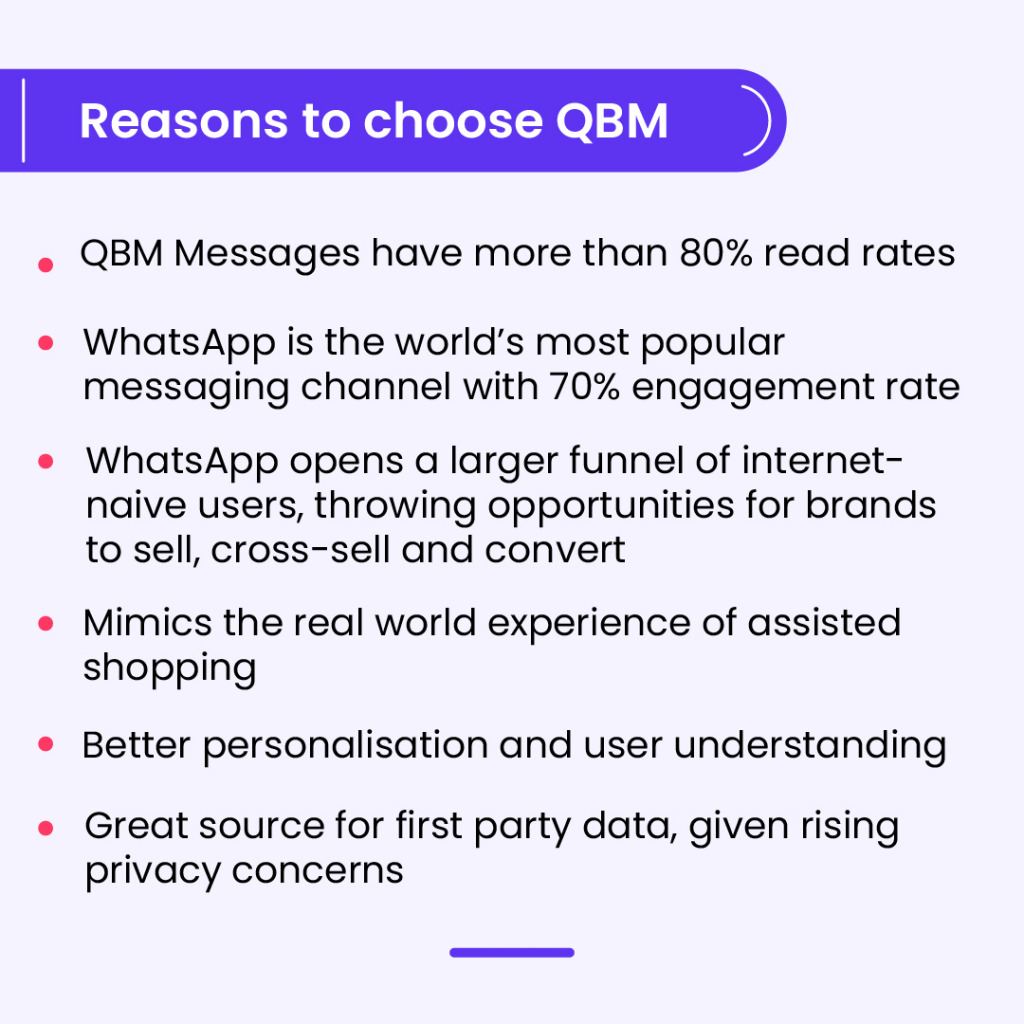
Half of customers don’t even receive the email in the first place. SMS, meanwhile, is too limited for two-way conversations or rich media. QBM messages, by contrast, score more than 80% on read rates and 50% on click-through rate, well above either channel.
Given WhatsApp’s popularity, it’s easy to see why QBM works so well for users and marketers alike. WhatsApp has more than 2 billion users worldwide and a 70% engagement rate. It’s the most-used app on smartphone screens, which makes it a strong channel for reaching customers, new and old.
Reach is just one reason WhatsApp works so well for marketers. There’s also a large group of new-to-internet users who find messaging far easier than navigating a website. This is especially true in emerging markets like India, where many people skipped websites entirely and went straight to smartphones. For them, WhatsApp is often the first digital interface they use.
Brands have traditionally focused their marketing on the top 10% of customers who already transact online regularly. That leaves a much bigger group of internet-naive users without good options, even when they have money to spend. WhatsApp’s larger reach means more chances for brands to sell, cross-sell, and convert these customers.
The app’s voice recording feature is another draw. It helps users who struggle with typing or who have other access issues.
But more than anything, it’s WhatsApp’s conversational nature that marketers love. Beyond offers and promotions, it allows for personalization, a better understanding of the user, and real hand-holding through the buying journey. That helps customers connect more deeply with a business, and that leads to better outcomes.
Shopping through WhatsApp Quality Based Messaging mirrors how people actually shop offline, and that’s what makes it feel credible. Think about the last time you shopped at a physical store. You probably asked about the product, the warranty, or where to get it serviced. Conversations like that add a layer of comfort; it’s also why many people still prefer shopping in person over shopping online.
QBM brings that same experience online. Brands can clear up a customer’s doubts about a product and offer personalized recommendations at the same time. They can build full-funnel conversational journeys that engage customers at every stage, from first awareness all the way to post-purchase delight.
There’s one more reason QBM deserves a place in your marketing plan. Privacy awareness is rising, and platforms like iOS and Android are limiting how much cookies can track user behavior. Businesses used to rely on third-party data from cookies to personalize experiences. As that data becomes less available, businesses will need to capture first-party data instead, data gathered directly from their own interactions with users. QBM is a strong tool for this. Every interaction tells you something about what a user is interested in, and you can use that to personalize what comes next.
What WhatsApp Quality Based Messaging Can Do for You
Let’s look at how WhatsApp Quality Based Messaging, and WhatsApp marketing more broadly, can sharpen your marketing plans. QBM can support a customer’s full journey, from before they buy to after.
Pre-Purchase
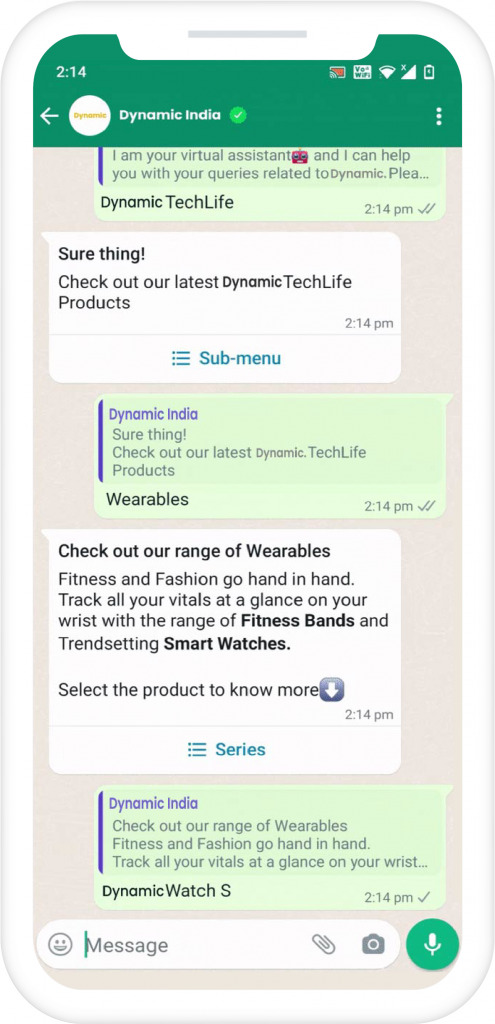
Many users sign up on a website, browse products, and leave without buying. Often it’s because the product feels too complex, or they have questions they couldn’t get answered. QBM is a great tool for reaching these users. Brands can answer product questions, guide new users, and make a strong first impression. For existing users who haven’t bought in a while, brands can send festive deals, new product launches, category offers, and promo codes.
Purchase
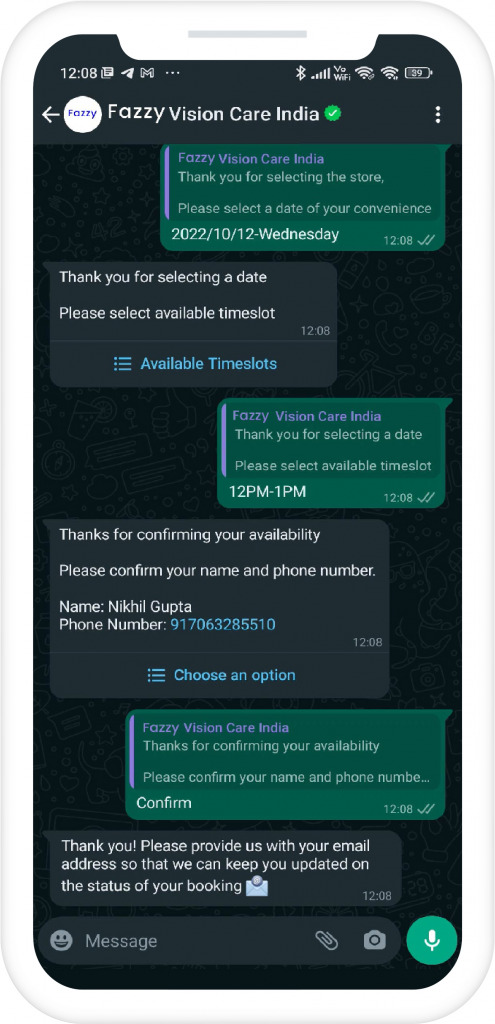
Brands can help customers make up their minds with relevant, timely updates. QBM supports up-selling and cross-selling. It can also send back-in-stock alerts, subscription renewal reminders, appointment bookings, and easy payment links.
Post-Purchase
Brands can make the after-sale experience smoother too. QBM can help with refunds and returns, delivery updates, and collecting customer feedback — all on WhatsApp.
This is only a small taste of what QBM can do. Gupshup brings deep experience, industry expertise, and a best-in-class tech stack to help you onboard QBM and build a better experience for your customers. With Gupshup’s advanced analytics tools, you can easily manage your quality score and track engagement at both the campaign and template level.
What You Must Not Do With QBM
Businesses need to be careful not to misuse WhatsApp Quality Based Messaging. Sending frequent, irrelevant messages annoys users. It can drive them away, and it hurts your quality rating too. Let users choose how often they hear from you, and what kind of messages they get. Give them the option to opt out of re-engagement messages entirely. Respecting that choice is how you build a relationship users actually trust.
Used well, QBM can turn the relationship between a business and its customers into something loyal and high-trust. Marketers who use QBM effectively will see real growth — in both revenue and brand recall.

Vandana leads content and communications at Gupshup. Before turning to communications, she was a journalist for more than 13 years, writing stories across varied subjects- from equity markets, policy to consumer tech. In her current role, she crafts engaging content and PR strategies that helps drive the company's marketing efforts.