+91-9355000192
 Login
Login
10 Powerful AI Agent Use Cases Transforming Retail & E-Commerce
See the power of intelligent conversations for your brand.

Artificial intelligence (AI) has transformed industries across the board, and retail and e-commerce is no exception. As digital-first strategies dominate, the adoption of AI agents — intelligent systems capable of automating tasks, enhancing customer experiences, and driving operational efficiency — has skyrocketed. This blog explores real-world AI agent use cases in retail and e-commerce, outlining their impact on customer experiences and business outcomes, along with actionable guidance for implementation.
Why AI Agent Use Cases Matter in Modern Retail
The retail and e-commerce sectors have grown rapidly over the past decade, driven largely by technological advances and shifting consumer expectations. AI-powered agents have become a cornerstone of this transformation, offering capabilities that were once considered futuristic. From personalized shopping experiences to real-time inventory management, AI is reshaping how businesses operate and engage with their customers.
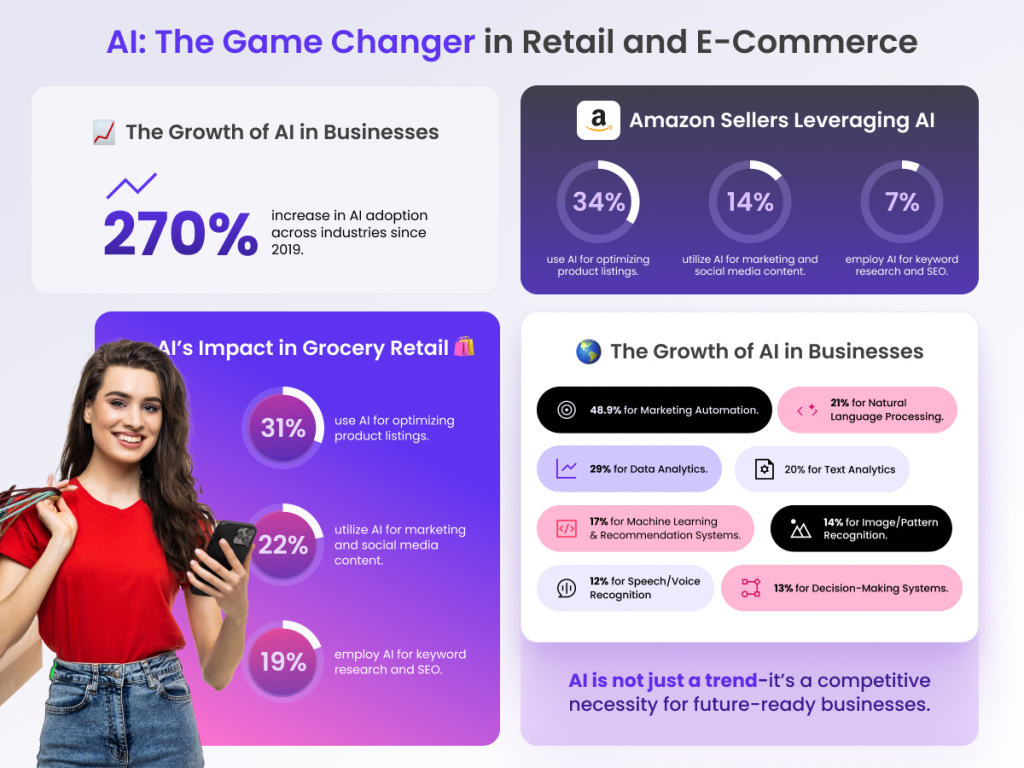
Let’s have a look at some statistical data of AI agents in retail and e-commerce:
Key Drivers Behind AI Agent Adoption in Retail and E-Commerce
Consumer Demand for Personalization
Shoppers today expect tailored experiences, and AI agents excel at delivering these by analyzing data in real time.
Operational Efficiency
Automation of repetitive tasks, such as order processing and customer queries, frees up resources for strategic initiatives.
Competitive Pressure
Companies leveraging AI retail solutions gain a significant edge, compelling others to follow suit.
Data Explosion
With an increasing volume of customer data, AI systems provide the tools to extract actionable insights.
Top 10 AI Agent Use Cases Transforming Retail and E-Commerce
1. Lead Generation with AI Agents
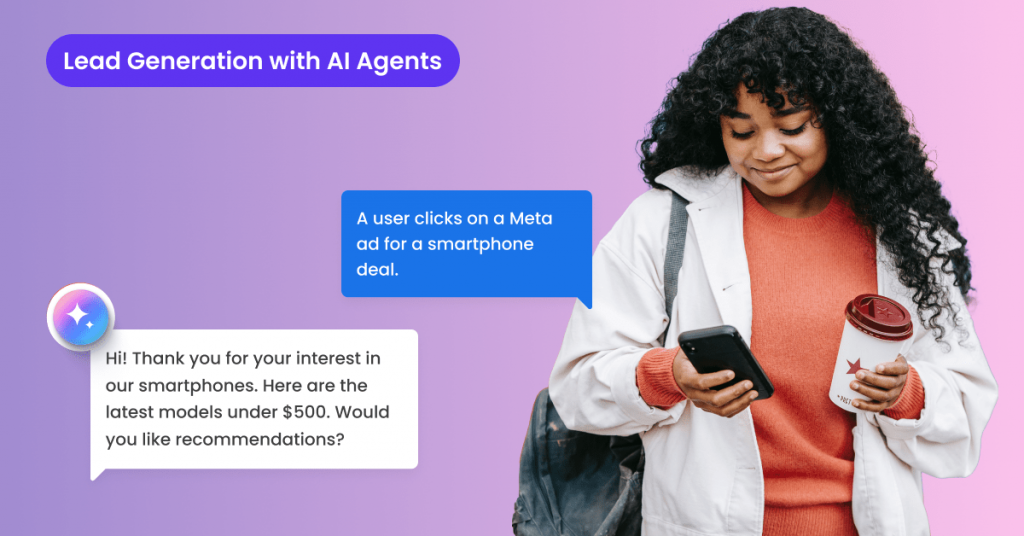
AI-powered agents capture and nurture leads across platforms like WhatsApp, ensuring potential customers are engaged effectively. Lead Capture AI Agents collect first-party customer data through interactions on platforms like Meta ads or QR codes, strategically placed across various touchpoints.
On product packaging, QR codes enable instant access to product details, user guides, and warranty registration. In print ads, brochures, and magazines, they drive engagement by directing readers to WhatsApp for inquiries and exclusive offers. Retail store displays, posters, and billboards use QR codes for product recommendations, virtual try-ons, or limited-time discounts. E-commerce websites and email campaigns use QR codes for live chat support, AI-powered shopping assistance, and personalized promotions.
On invoices, receipts, and order confirmations, QR codes simplify access to post-purchase support, order tracking, and returns. Trade show booths and event signage use them for lead collection and instant product demos, while loyalty programs and discount coupons integrate QR codes for personalized deals and reward tracking.
By linking these QR code interactions to conversational AI, businesses can engage customers in real time, answer queries, recommend products, and automate follow-ups — ensuring seamless lead nurturing and higher conversions.
Benefits:
- Increased lead conversion rates
- Automated nurturing through WhatsApp
2. Dynamic Pricing Models
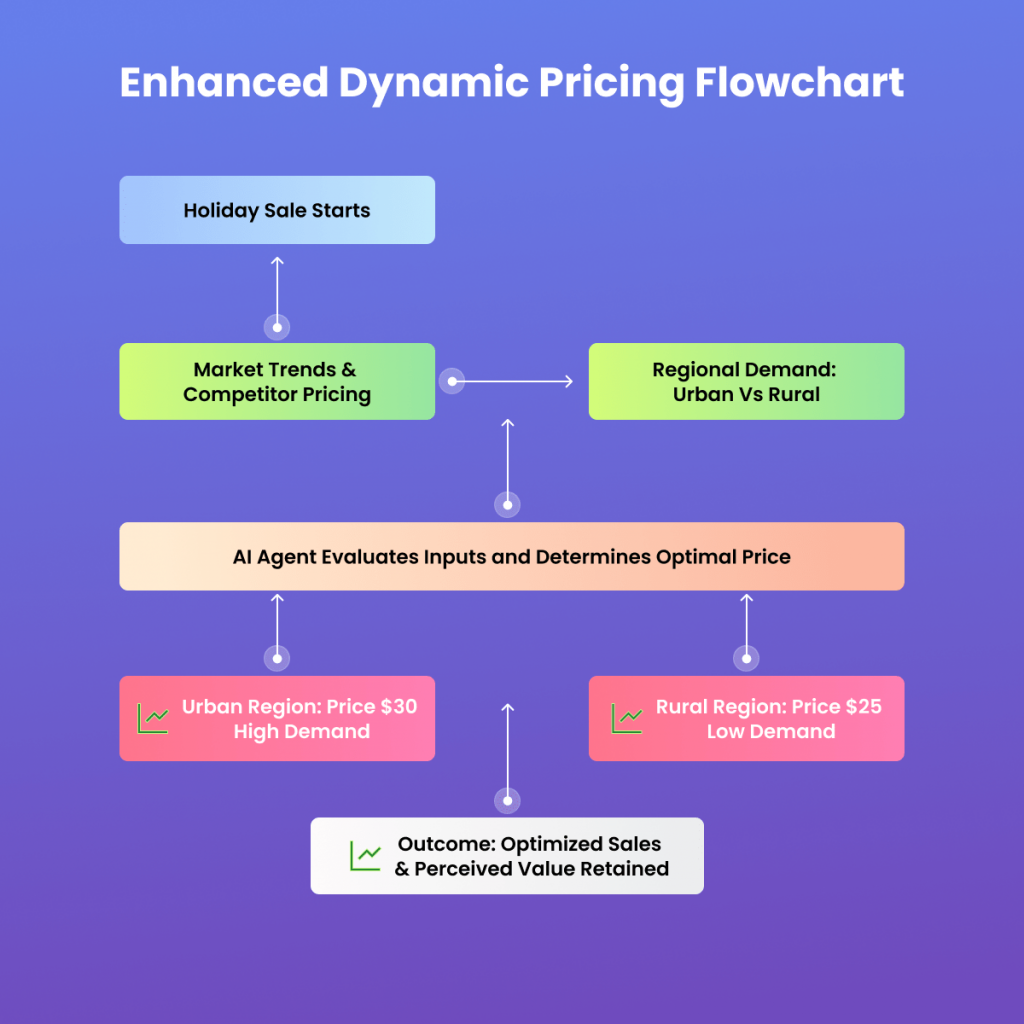
AI retail systems enable dynamic pricing by analyzing market trends, competitor pricing, and customer demand. This ensures optimal pricing strategies that maximize profitability while intelligently responding to regional and seasonal demand patterns.
Example: During a holiday sale, two customers view the same product. Customer A, in a high-demand urban region, sees a price of $30, while Customer B, in a lower-demand rural area, sees $25. Both customers perceive value based on their context, optimizing sales and profits.
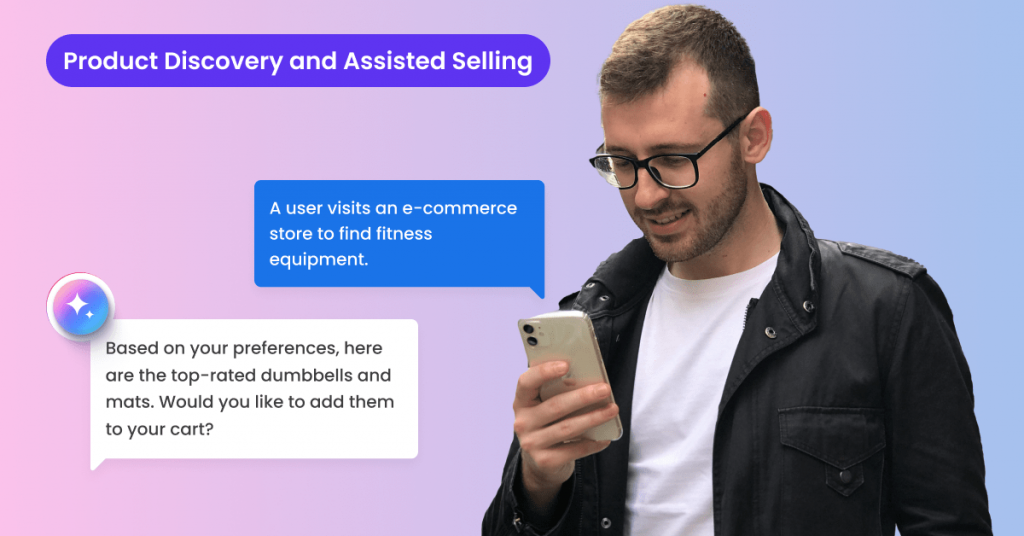
3. Product Discovery and Assisted Selling
AI-powered agents enhance product discovery by offering personalized recommendations. The Product Finder AI Agent understands customer preferences through conversational cues and browsing behavior. Beyond multilingual support, it enhances the buying journey by recommending complementary products and triggering payment links — creating frictionless checkouts that boost cart completion rates.
Benefits:
- Improved cross-selling and upselling opportunities
- Integration with platforms like Shopify and WooCommerce
4. Effortless Post-Purchase Support
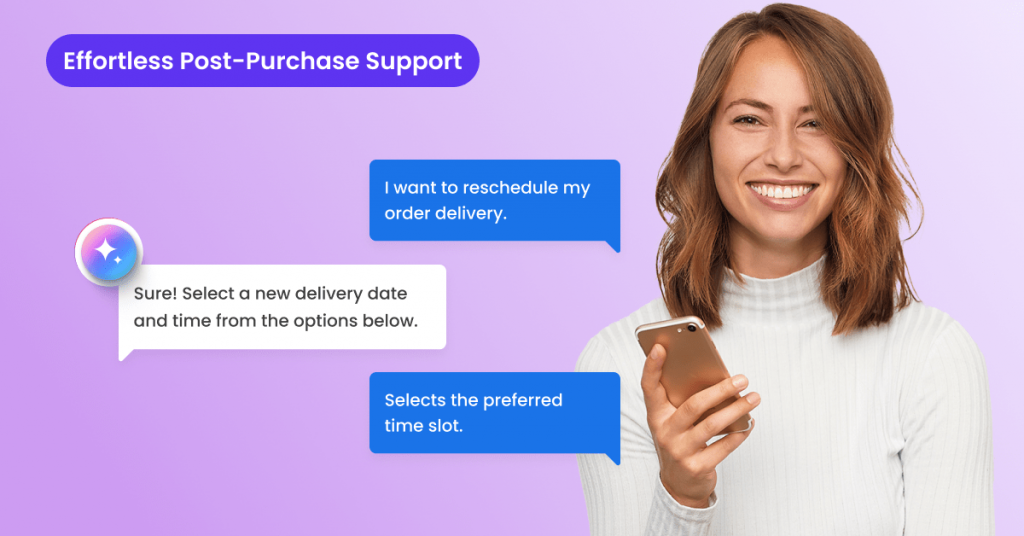
AI agents simplify customer interactions after purchase, resolving issues quickly. Order Management AI Agents provide a centralized system for handling queries related to order tracking, delivery rescheduling, and refunds. These agents integrate with logistics platforms like FedEx and ClickPost, ensuring customers receive accurate updates and resolutions in real time.
Benefits:
- Higher customer satisfaction rates
- Seamless integrations with logistics platforms
5. Automated Refunds and Exchanges
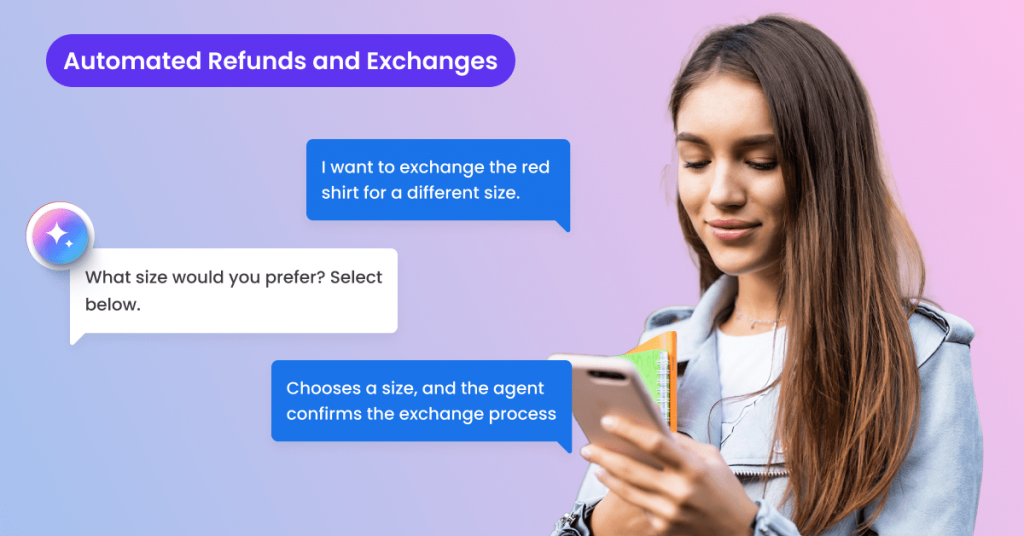
AI agents handle return requests and provide seamless exchange options, guiding customers through the return process while helping businesses improve retention. They ensure efficient communication to convert COD orders to prepaid or resolve size mismatches without hassle.
Benefits:
- Reduced manual intervention in returns
- Enhanced customer retention through smoother workflows
6. Proactive Campaign Management
AI-powered agents drive targeted promotions and automated campaigns. With tools like the Ad-Click Lead Builder AI Agent, businesses can redirect traffic from ads to WhatsApp while nurturing leads through personalized engagement. Gamified campaigns and loyalty programs further ensure consistent customer engagement, driving higher conversion rates.
Benefits:
- Increased customer engagement and repeat sales
- Gamified campaigns for improved recall

7. Warranty Sales and Post-Sale Outreach
AI-powered agents ensure timely post-sale follow-ups and targeted warranty sales. The Warranty Sales AI Agent analyzes past purchases to recommend warranty extensions or post-sale products. It automates reminders for expiring warranties and facilitates the sales process through messaging channels like WhatsApp, SMS, or RCS.
Benefits:
- Higher upsell opportunities.
- Improved customer satisfaction through proactive support.

8. Reducing Failed Deliveries (RTO/NDR)
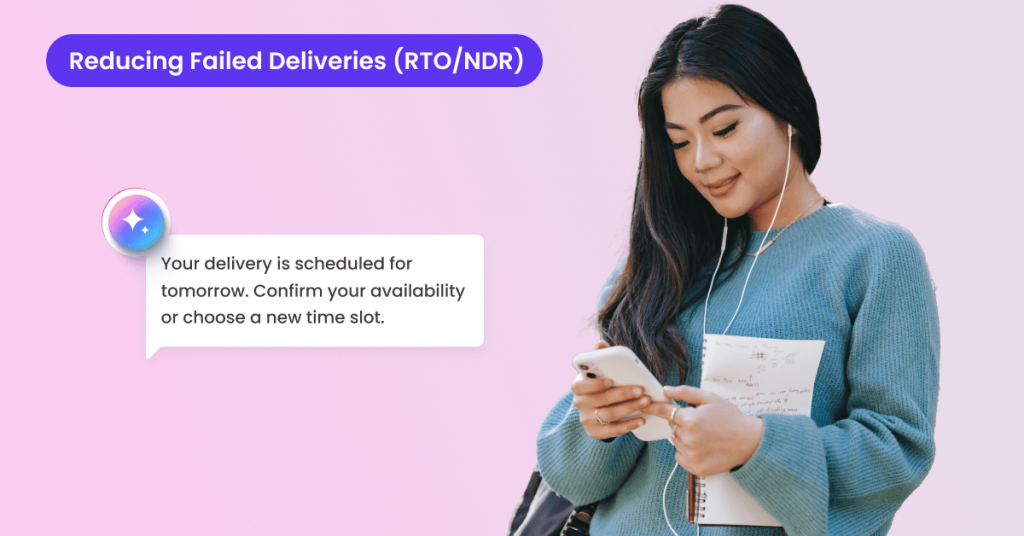
AI-powered agents optimize delivery workflows to reduce return-to-origin (RTO) rates and non-delivery reports (NDR). By automating follow-ups with customers for address confirmation or slot rescheduling, agents ensure smoother delivery operations — significantly cutting the costs associated with failed deliveries.
Benefits:
- Fewer failed deliveries
- Reduced operational costs for logistics
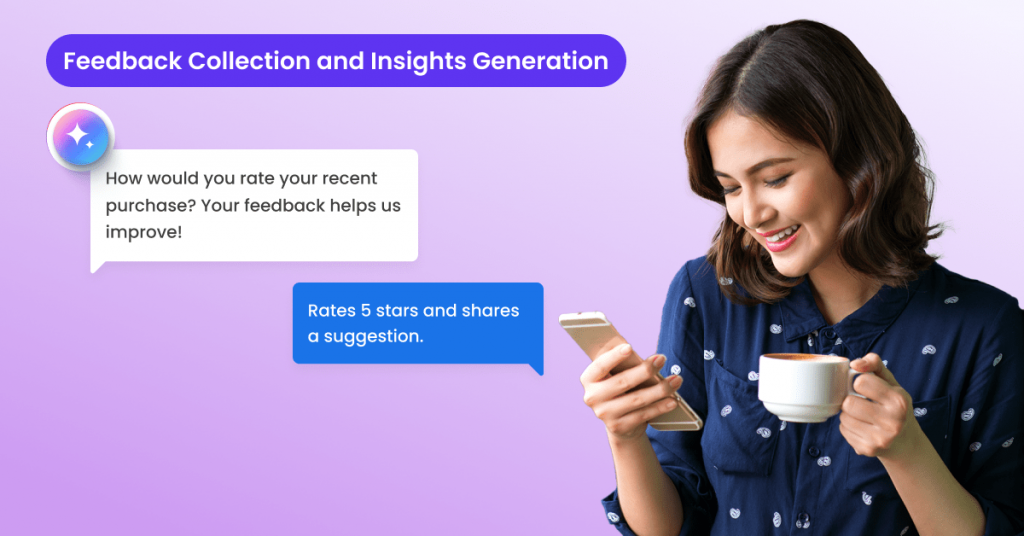
9. Feedback Collection and Insights Generation
AI agents gather post-purchase feedback to improve product and service quality. Feedback Assistants automate the collection of customer reviews and ratings, analyze sentiment, and provide actionable insights for continuous improvement.
Benefits:
- Enhanced customer service.
- Data-driven decision-making for business improvements.
10. Localized and Multilingual Support
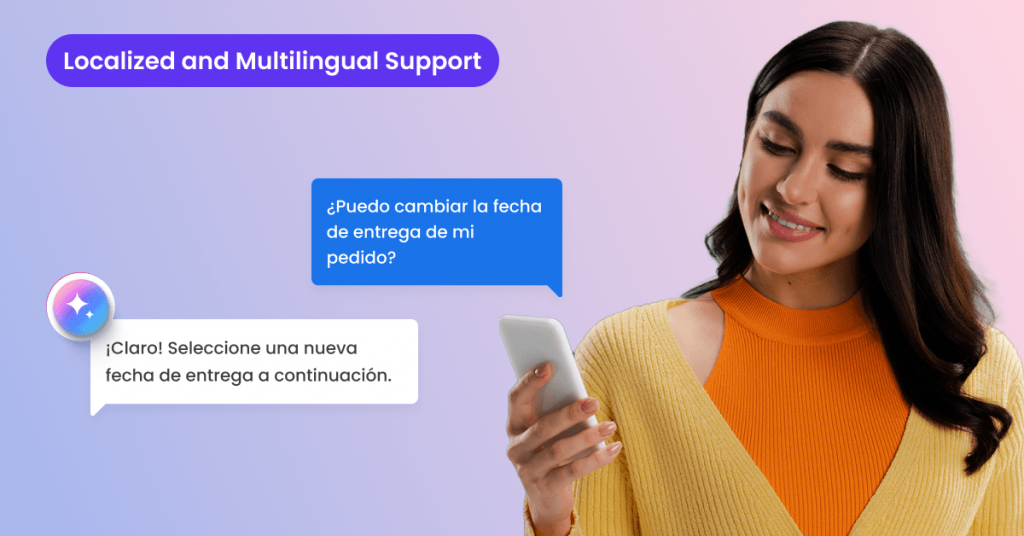
AI agents provide support in multiple languages, catering to diverse customer bases. By understanding queries in a customer’s native language, these agents create a more personalized experience — a particularly valuable capability for businesses operating across regions with diverse linguistic needs.
Benefits:
- Broader customer reach
- Improved accessibility and satisfaction for non-English speakers
Business Benefits of AI Agent Use Cases in Retail
Enhanced Customer Retention
AI agents help businesses understand customer needs better, leading to improved loyalty and higher retention rates. Personalized offers and seamless shopping experiences keep customers coming back.
Increased Sales and Revenue
AI in e-commerce drives sales through targeted marketing campaigns, predictive analytics, and personalized engagement. Businesses can capitalize on upselling and cross-selling opportunities more effectively.
Cost Optimization
Automation reduces the need for manual intervention, cutting costs significantly in areas like customer support, inventory management, and marketing.
Scalability
AI systems scale effortlessly with business growth, handling rising query volumes and transaction loads without a proportional rise in headcount or overhead.
Conclusion: Unlocking the Full Potential of AI Agents in E-Commerce
The integration of AI agents into retail and e-commerce operations is not just a trend but a strategic imperative for businesses looking to thrive in a competitive landscape. From capturing and nurturing leads to offering personalized shopping experiences, automating refunds, and ensuring seamless post-purchase support, AI agents deliver unmatched efficiency and customer satisfaction.
By leveraging Gupshup’s pre-built, industry-trained, multimodal AI Agents, businesses can streamline their operations, drive higher sales, and build long-term loyalty. Integrated with tools like Shopify and Zendesk, and partnered with logistics providers like FedEx, these agents build a powerful ecosystem that evolves with consumer needs.
Ready to harness the power of AI agents in retail and e-commerce? Book a Demo today to explore cutting-edge solutions that will transform your business.
FAQ’s
1. What are AI agents in retail and e-commerce?
An AI agent is an intelligent system that automates a range of tasks in retail and e-commerce, including customer support, personalized recommendations, inventory management, and marketing automation. They help businesses enhance efficiency and improve customer experiences.
2. How does AI impact pricing strategies in retail?
AI enables dynamic pricing models by analyzing market trends, competitor pricing, and demand fluctuations. This ensures that businesses can offer competitive yet profitable pricing to customers based on various factors like location and seasonality.
3. How do AI powered agents support e-commerce businesses?
AI agent assists customers by answering queries, guiding them through the shopping journey, and providing post-purchase support. They also help in lead generation and conversion by engaging customers in real time.
4. How do AI powered agents assist with marketing automation?
AI-driven marketing tools automate customer engagement through personalized email campaigns, targeted advertisements, and loyalty programs. They analyze customer behavior to deliver relevant promotions, increasing conversion rates.
5. Can AI agents help with product recommendations and upselling?
Yes, AI agents analyze browsing behavior and past purchases to recommend products. Agents drive revenue growth by recommending complementary products, increasing both upselling and cross-selling opportunities.
Here are some resources to help you learn more about AI Agents:

Divya is a multifaceted writer and a journalism graduate. A wordsmith by profession and passion, she crafts compelling narratives as a seasoned content writer while also weaving poetic tapestries in her leisure moments. Whether delving into informational prose or evocative verse, her love for the written word brings finesse to every piece she pens down.